Most conversations about coolant recycling start and end with cost savings, and the numbers are compelling enough on their own. But there’s a second case for coolant recycling that rarely makes it into the budget memo: the safety and compliance benefits of getting fluid management right, which carry their own real, if harder to quantify, costs when ignored. chip processing equipment
The Health Side of Dirty Coolant
Degraded coolant isn’t just a production problem. Bacterial growth in neglected sumps produces the sour, rancid smell that’s become an accepted background feature of some shop floors, but that smell is a signal of a biological problem, not just an unpleasant one. Operators working closest to contaminated coolant, whether through direct skin contact or airborne mist during machining, are the ones most exposed to that bacterial load, and skin irritation complaints tend to track closely with sump conditions that have gone unaddressed for too long.
This isn’t a hypothetical risk. It’s one of the more common, if underreported, workplace complaints in metalworking facilities that haven’t invested in active coolant filtration and bacteria control.
The Compliance Side
Coolant disposal is regulated, and the classification of spent metalworking fluid as hazardous or non-hazardous waste depends on its contamination level, which is exactly what filtration and recycling are designed to control. Facilities that let coolant degrade further than necessary before disposal can find themselves facing higher hazardous waste handling requirements and costs than a facility with an active recycling program managing the same fluid volume. fluid filtration equipment
Beyond disposal classification, documented fluid management, recovery rates, disposal volumes, bacteria counts, also happens to be exactly the kind of record a facility needs on hand during an environmental compliance review. Systems that generate this data as a byproduct of normal operation save the scramble of trying to reconstruct it after the fact.
Where Recycling Systems Address Both
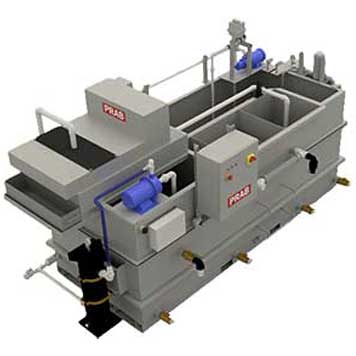
Centralized coolant recycling systems are built around the same three contamination problems, tramp oil, bacteria, and particulate, whether the goal is cost savings, safety, or compliance, because all three outcomes trace back to the same root cause. PRAB’s fluid filtration equipment includes automated bacteria control specifically because rancid, contaminated coolant is as much a workplace health issue as it is a cost issue, and addressing it at the source removes the problem instead of managing its symptoms after operators have already been exposed.
Why This Belongs in the Capital Justification
Plant managers building the case for a coolant recycling system to their CFO often lead with disposal and purchase cost savings, and that’s the right place to start since the numbers are concrete and easy to model. But adding the safety and compliance dimension, fewer odor and skin irritation complaints, cleaner audit documentation, lower hazardous waste classification risk, strengthens the case further, particularly in facilities that have had HR complaints or compliance findings related to fluid management in the past.
The Takeaway
Coolant recycling pays for itself on cost savings alone in most facilities. But treating it purely as a cost play undersells what it actually accomplishes. A well-run fluid recovery system is also a workplace safety investment and a compliance safeguard, and shops that have dealt with an odor complaint or a disposal classification question already understand why that distinction matters.